Data-network fault disrupts flights across Italy; ENAV uses satellite backup
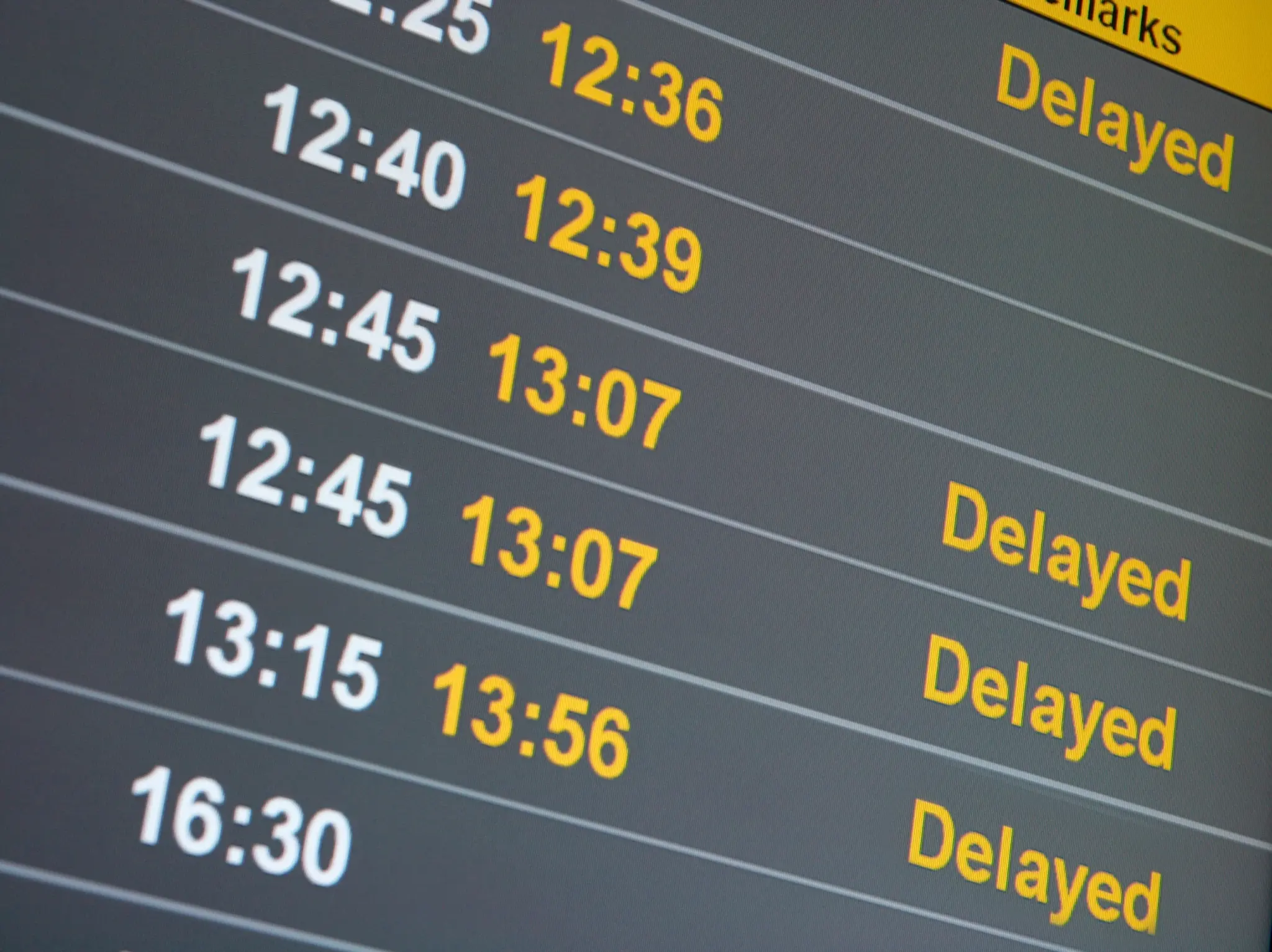
A fault in the data network supporting Italy’s air-traffic control disrupted flights nationwide on Friday, 16 October, prompting an initial reduction of about half in the number of aircraft the system could handle. Air-navigation operator ENAV continued managing flights through backup systems while working to restore its primary network. It said operations remained safe and ruled out malicious activity.
The Associated Press reported delays at Rome’s Fiumicino airport and airports serving Milan and Bergamo. ENAV said alternative data-transmission systems allowed it to accommodate as many morning departures as possible, including intercontinental services, while initially operating at 50% of overall air-traffic capacity.
Overnight anomalies, then restrictions as traffic increased
The problem emerged during the night in the nationwide data-transmission network used to support air-traffic control. According to Adnkronos’s reporting, ENAV activated its planned contingency systems and maintained normal flight handling until 06:00 local time on Friday, without reducing operational capacity.
As the number of flights increased after 06:00 and the anomalies persisted, ENAV introduced measures to regulate traffic flows. The company said the restrictions were needed to continue maintaining the highest level of operational safety. The reduced capacity therefore followed the overnight network problem; it did not mean that the Italian airspace had been completely closed.
The distinction is important for the scale of the disruption. The 50% figure describes the system’s initial ability to manage aircraft, not a verified cancellation rate for passengers’ bookings. Some flights could still depart while others faced delays or cancellation. The reports reviewed did not provide a consolidated nationwide total of affected passengers or cancelled flights.
Rome and Milan operators warn of delays and cancellations
Reuters reported that Rome airport operator ADR warned passengers that technical problems affecting air-traffic control systems nationwide could cause delays and cancellations. It advised travellers to contact their airline. Milan airport operator SEA issued a similar notice.
Those warnings connect the national network problem to the information being given at individual airports. They concern air-traffic control services, rather than a confirmed failure of an airline’s booking website or a flight-tracking application. A delayed service should not be treated as evidence that every digital platform associated with that journey has also gone offline.
The same incident was affecting more than one part of Italy’s airport network. The disruption at Fiumicino, Milan and Bergamo was reported alongside the national capacity restrictions, rather than as separate local failures. The continued handling of intercontinental departures also shows that reduced capacity did not amount to a complete suspension of long-distance flying.
Satellite backup supports flights while primary-network repairs continue
In its latest official statement reviewed for this report, ENAV said all its instruments were functioning normally and had not shown anomalies. Flight handling was being maintained through a secondary satellite network. The company said guaranteed routes had exceeded 50%, improving compared with less than an hour earlier.
ENAV cautioned that the backup system could maintain air-traffic control continuity and safety standards but could not handle 100% of traffic. Temporary capacity restrictions therefore remained necessary. This improvement in backup-supported operations was not an announcement that the primary data network had been fully restored.
The operator said it was working with external suppliers, including TIM, which manages and maintains the data network, to identify and resolve the anomalies. That identifies a supplier’s role in the repair effort; it does not establish that TIM caused the failure. ENAV’s statement did not disclose a detailed technical explanation or a deadline for full restoration.
For related digital-service availability, readers can visit SID’s FlightAware service page; this report does not identify FlightAware as an affected service. Follow Status Is Down’s real-time availability view, explore SID’s plans and create an account to keep track of the online services you depend on. More verified incidents are available in the News archive.
Image credit: ID 4669050 © Péter Gudella | Dreamstime.com