Vietnam internet slowdown: three undersea cable faults cut international capacity by 30%
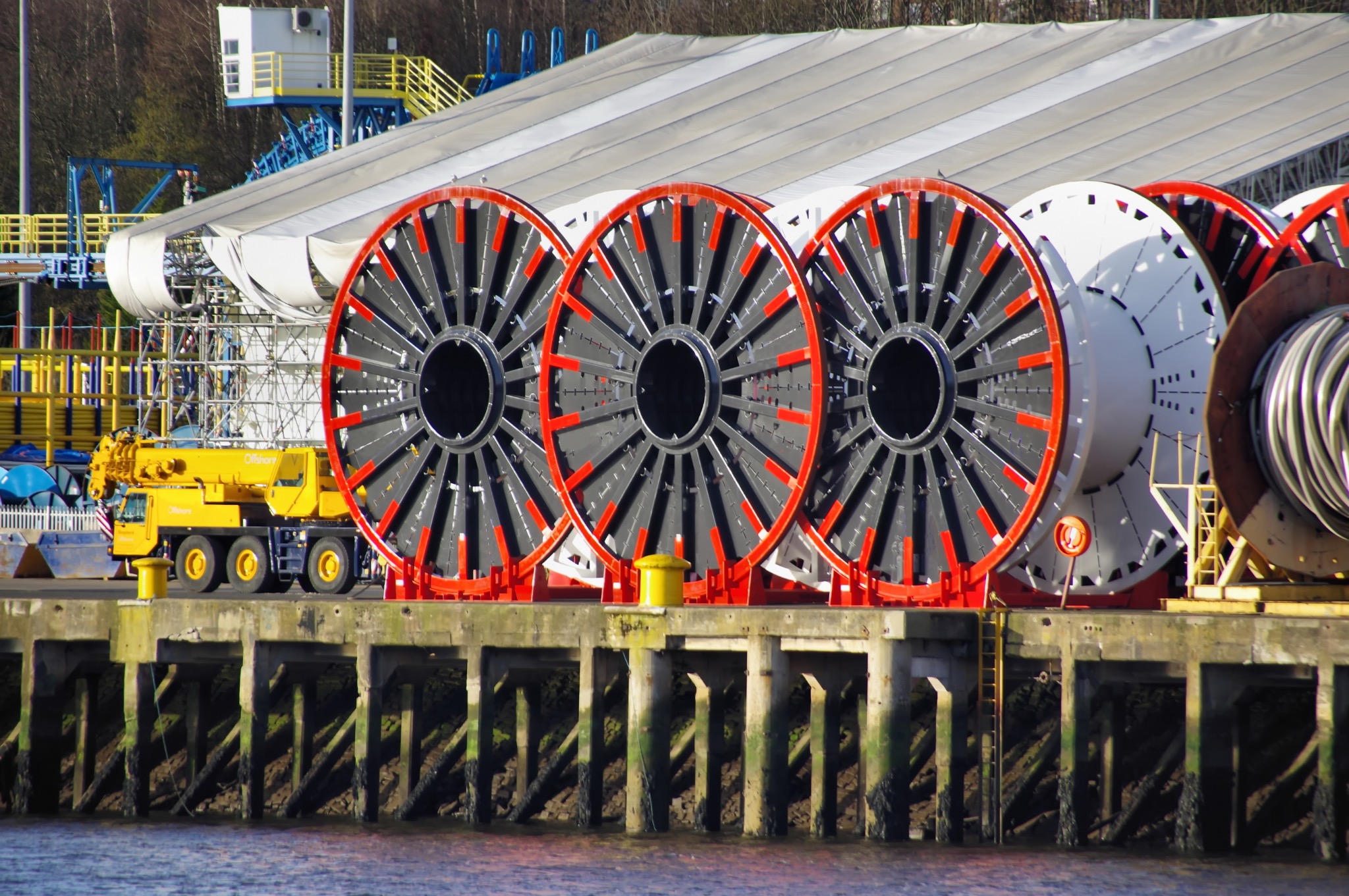
Vietnam’s international internet capacity fell by an estimated 30% after faults affected three submarine cable systems serving the country. Operators said domestic networks remained generally stable after traffic was redirected, but warned that access to overseas-hosted websites and online services could slow at busy times.
New SJC2 and AAE-1 faults join the unrepaired AAG break
Tuoi Tre News reported on Thursday that new faults had affected the Southeast Asia–Japan Cable 2, known as SJC2, and the Asia Africa Europe-1 system, or AAE-1. The Asia-America Gateway cable, AAG, was already under repair, leaving three international systems impaired at the same time.
The AAE-1 interruption was recorded at 6:22 p.m. on Tuesday, according to the report. VietNamNet Global placed the SJC2 fault on the S4 segment near Chung Hom Kok and the AAE-1 fault on the S1.H2 segment. Operators had not disclosed what caused either new fault.
The estimated 30% reduction refers to Vietnam’s international internet capacity or traffic, not to 30% of users losing service. The reports did not describe a nationwide internet blackout. Instead, they pointed to a substantial loss of overseas capacity while domestic connections continued operating.
Operators reroute traffic while overseas services may slow
Vietnam Posts and Telecommunications Group, VNPT, said it redirected traffic through other systems and opened extra international capacity. VietNamNet reported that Viettel had shifted traffic to remaining submarine routes, including APG and AAE-1 capacity that was still available, while CMC Telecom said its terrestrial links and reserved international capacity were helping maintain service.
DTiNews, the English edition of Dân trí, also reported that providers were moving traffic to alternative routes. The newsroom said the failures could cause slower international connections or higher latency, especially during peak periods.
Those measures explain why users may experience uneven effects. A domestic website or service can remain responsive while an overseas-hosted platform loads more slowly. Conditions can also vary by provider, route and time of day as operators rebalance traffic across the capacity still available.
Repair timetable remains incomplete
Tuoi Tre reported that work on the affected AAE-1 section was expected to begin in late September. That timetable describes the planned start of repair work, not a confirmed restoration date, and it should not be applied to SJC2. No repair estimate for the SJC2 fault was included in the reports reviewed for this article.
The AAG system also remained under repair. Until capacity is restored, operators are relying on alternative submarine routes, terrestrial links and reserve bandwidth. None of the reports attributed the faults to sabotage or any other specific cause.
What users should expect
The most likely effects are slower access to overseas services, intermittent congestion and higher latency at peak times rather than a complete loss of connectivity. Users should follow updates from their own internet provider because the impact can differ between networks.
Readers can follow the Status Is Down outage archive, review current reports on the realtime disruptions page, browse the website directory, explore the telecommunications and internet category, compare monitoring plans, or register to organise monitoring for services and websites they rely on. Status Is Down does not replace an internet provider’s service notices, and operator updates remain the source for route-specific restoration information.
Sources
- Tuoi Tre News — Vietnam’s international internet connection affected by faults on three undersea cables
- VietNamNet Global — SJC2 and AAE-1 cable failures disrupt Vietnam’s international internet traffic
- DTiNews / Dân trí — Two undersea cables disrupted, affecting Vietnam’s internet links
Image credit: David J Hogg | Dreamstime.com — https://www.dreamstime.com/massive-cable-spools-sub-sea-cables-giant-metal-reels-banks-river-tyne-used-to-hold-submarine-telecommunication-image140198683