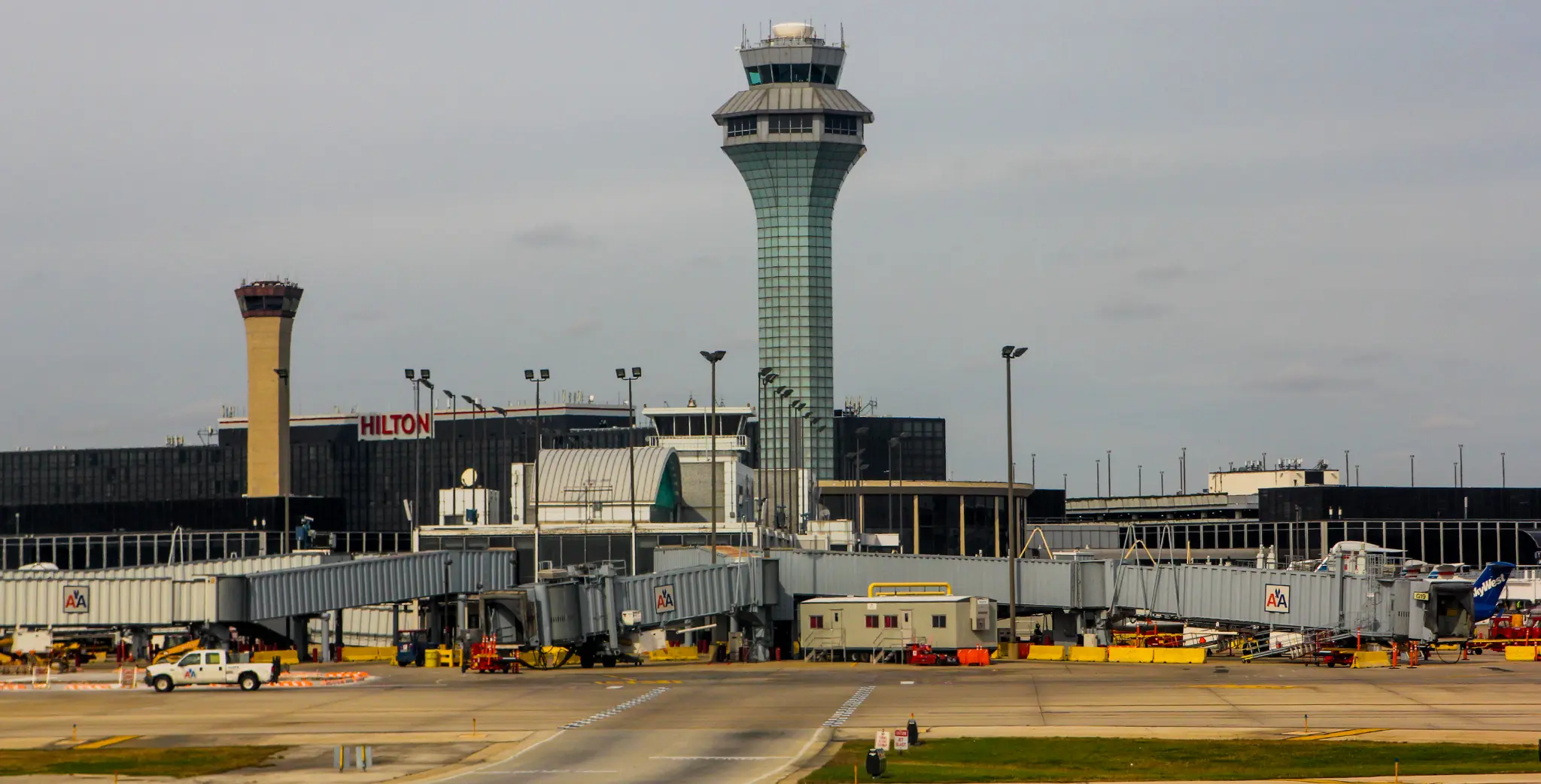
FAA lifts O’Hare ground stop after equipment outage delays Thanksgiving-week flights
The Federal Aviation Administration briefly halted some flights bound for Chicago O’Hare International Airport on Tuesday afternoon, November 24, after an equipment outage affected air traffic operations at one of the country’s busiest airports. The pause came during the Thanksgiving travel week, and a day after a separate, staffing-related ground stop at the same airport.
According to WGN-TV’s report, the FAA first reported the ground stop shortly after 3 p.m. Central Time. At around 4:30 p.m., officials said the stop had been lifted, but a ground delay program remained in place while crews worked to repair a piece of air traffic equipment.
What the FAA said
The FAA described the cause as an “equipment outage.” NBC Chicago reported that the agency put the ground stop in effect until 4:15 p.m. and had not released further details at the time of its report.
The Hill reported that the outage involved a ground surveillance radar and tracking system, and that the stop applied to aircraft departing from Minneapolis, Milwaukee, Green Bay and Des Moines. The FAA said the issue was specific to O’Hare and did not affect all flights, other airports or other FAA systems.
A ground stop keeps flights at their departure airports rather than letting them take off for the affected destination. A ground delay program is less severe: flights can still operate, but departures are spaced out so arrivals match the capacity available at the destination.
Delays during a busy travel week
Officials said the average delay during the ground stop was 47 minutes, WGN-TV reported. The reports did not give a total number of affected flights or a time when the follow-on ground delay ended, and travelers should not assume every schedule had returned to normal when the stop was lifted.
Tuesday’s disruption was the second at O’Hare in two days. On Monday, the FAA briefly paused flights into the airport “due to staffing constraints at Chicago Terminal Radar Approach Control (TRACON),” according to a statement given to NBC Chicago. That stop had been removed by about 12:30 p.m., although some departure delays continued. The two events had different stated causes.
Both followed a period of high-profile outages, including the FAA’s nationwide ground stop on November 13. The Hill noted that U.S. intelligence officials have largely said recent incidents were not caused by cyberattacks. None of the reports attributed Tuesday’s equipment problem to malicious activity, and the FAA had not published a detailed technical explanation.
Why airport equipment matters to travelers
Ground surveillance and tracking systems help controllers follow aircraft and vehicles on and around the airport. When a component fails, the FAA can reduce traffic to keep operations safe while technicians work on repairs, which is why a localized equipment problem can delay flights departing from cities hundreds of miles away.
For passengers, the practical step is to check their own flight status with the airline, particularly with connections or tight schedules during the holiday period.
Stay ahead of travel disruption
Status Is Down’s airlines category brings together service pages for carriers, so readers can follow reports for the airlines they fly. The real-time outage view shows wider outage and recovery signals across services. These pages complement official FAA and airline updates; they do not replace flight-specific information or rebooking help.
Disruptions like this show how a single piece of equipment can affect travel across a whole region. Readers can explore the website directory to follow the other digital services they depend on.
Sign up for Status Is Down to choose outage alerts for the services you use. Free monitoring is a starting point, and paid plans expand monitoring options. Organizations can review Status Is Down’s business plans when planning how to track disruption across the services their teams and customers rely on.
Image credit: ID 46189492 © Gerald T. Coli | Dreamstime.com