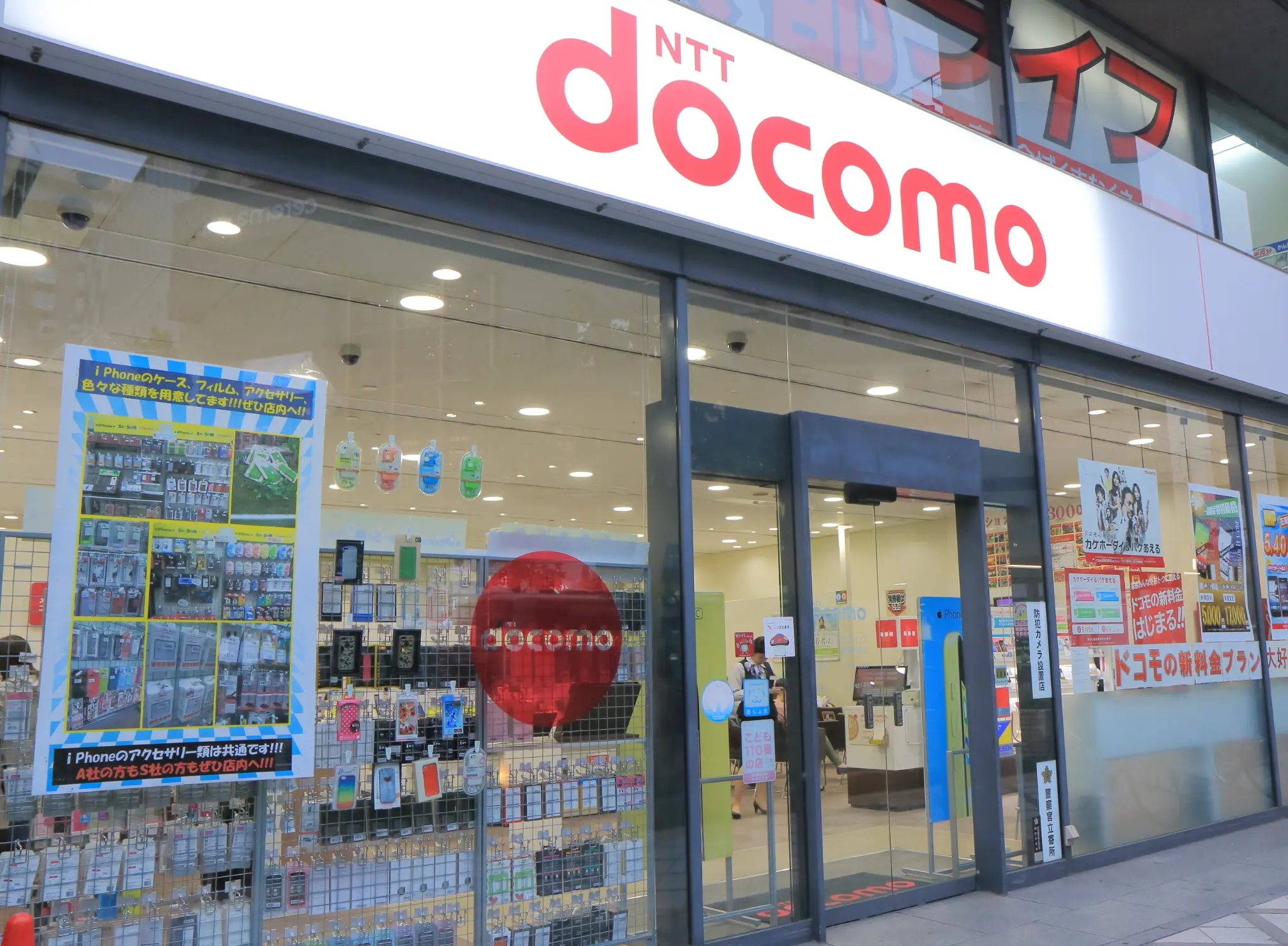
Docomo restores 5G standalone service after third nationwide disruption this month
NTT Docomo says its 5G standalone mobile service was fully restored on Monday, November 16, after a disruption made calls, mobile data and SMS difficult to use across Japan. The incident began at 10:02 a.m. Japan Standard Time and ended at 3:58 p.m., according to Docomo’s final recovery notice. That puts the interruption at five hours and 56 minutes.
This was a new incident, separate from the November 11 disruption previously covered by Status Is Down. It was the third disruption to Docomo’s 5G standalone service this month, but the recurrence does not establish that all three had the same underlying fault.
Calls, data and SMS affected—not every Docomo connection
TV Asahi reported that the problems spread nationwide before full recovery on Monday afternoon. The affected service was 5G SA, or standalone 5G, which uses a dedicated 5G network rather than relying on the older mobile-network architecture.
Docomo’s notice says subscribers to that service experienced difficulty using voice calls, data connections and text messages. Some devices could display an out-of-service indication. Nippon TV reported a maximum impact of approximately 1.66 million people. That figure should not be read as the size of Docomo’s entire customer base or as proof that every affected person lost every function throughout the incident.
The company explicitly excluded several other services from the impact: 4G, 5G customers who were not subscribed to 5G SA, and mobile virtual network operators using Docomo’s network. Emergency calls were also unaffected, according to the operator. The nationwide description therefore refers to the geographic reach of the affected service, not a shutdown of every Docomo mobile connection in Japan.
Operator identifies concentrated traffic at a switching system
Docomo attributed the disruption to concentrated communications traffic at a switching system serving its 5G SA subscribers. Its final statement says investigators had found no signs of unauthorized access or events indicating a cyberattack, including around the time the problem began.
Impress’s Keitai Watch reported the same cause and recovery timeline, while noting that the relationship with the two earlier disruptions was still being checked. The available reporting does not establish why traffic concentrated at the switching system or identify a permanent prevention measure. It would be premature to describe the incident as a confirmed cyberattack or to assume that Monday’s recovery resolves the reasons behind the repeated disruptions.
Service restored; handset guidance remains available
Docomo said it had confirmed normal service following full recovery. For customers still unable to connect, it advised restarting the phone or switching airplane mode on and off. Customers who temporarily changed their network preference to 4G during the disruption were asked to restore their previous setting. These are the operator’s instructions, not evidence that every lingering handset problem represents a continuing nationwide outage.
For readers checking whether a disruption is wider than their own connection, Status Is Down provides service-status information alongside its website directory. Website owners can also review SID’s business plans and create an account to explore monitoring and alert options. Monitoring helps surface availability problems; it cannot prevent a carrier-network failure or replace Docomo’s own recovery notices.
Image credit: ID 43126548 © Tktktk | Dreamstime.com